
Backyard Zip Line vs. Professional Course: What's the Difference?
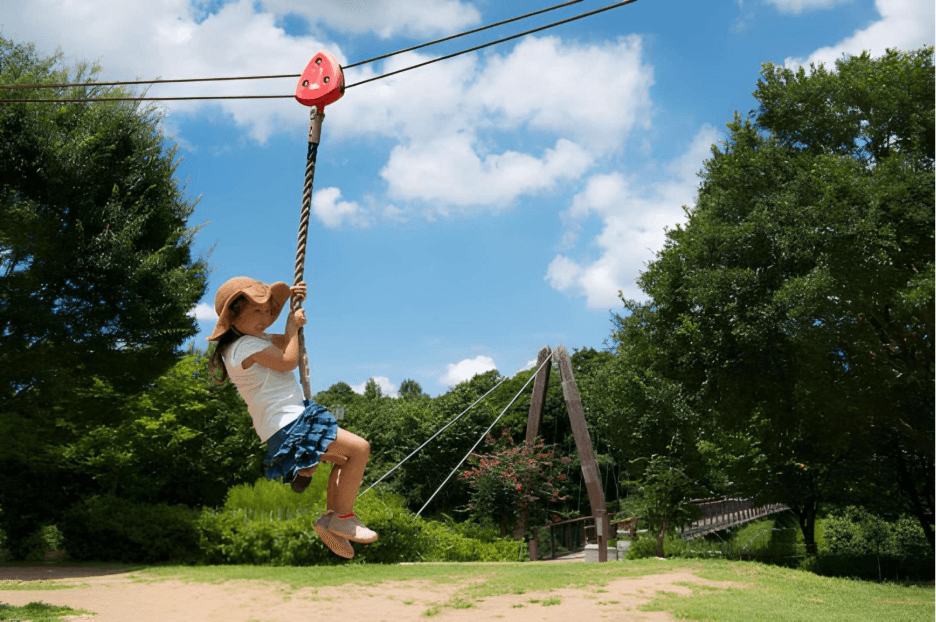
Zip lining has evolved from a niche adventure sport into a popular recreational activity enjoyed by families, thrill-seekers, and outdoor enthusiasts alike. As interest grows, many homeowners begin to wonder whether installing a zip line at home is a viable alternative to visiting a commercial adventure park. A common and important question arises: is a backyard zip line safe, or is it better to rely on a professionally built course?
This guide takes a closer look at how backyard zip lines differ from professionally built courses in real-world use. From how they are designed and installed to the level of oversight, maintenance, and user protection involved, each option offers a very different experience. Understanding these differences is especially important for homeowners, landowners, and hosts who want to make informed decisions about safety, responsibility, and long-term use especially those exploring outdoor hosting opportunities through Lucky Backyards.
The Rising Popularity of Zip Lines
Zip lines appeal to a wide range of users because they offer excitement, outdoor engagement, and a sense of freedom. Over time, zip lines have expanded beyond mountain resorts and eco-parks into private properties, camps, and recreational facilities.
The growing interest in at-home adventure features mirrors trends in experiential recreation. Just as people search for unique experiences on various rental sites, outdoor activities like zip lining have become part of how people engage with leisure spaces.
However, increased accessibility also brings increased responsibility, especially when safety is involved.
Understanding Backyard Zip Lines
A backyard zip line is typically a privately installed system designed for personal or family use. These systems range from simple kits purchased online to more customized setups built by homeowners.
Backyard zip lines are often appealing because they offer convenience and control. Homeowners can install them on their own schedule, customize length and height, and avoid recurring fees associated with commercial parks. However, these benefits come with limitations that must be carefully considered.
Is a Backyard Zip Line Safe?
The question “is a backyard zip line safe” does not have a one-size-fits-all answer. Safety depends on multiple factors, including design quality, installation accuracy, materials used, and ongoing maintenance.
Many backyard zip line incidents occur due to underestimated forces, improper anchoring, or lack of protective equipment. Without professional engineering, it can be difficult to calculate tension, braking distance, and rider load accurately. Even minor errors can significantly increase the likelihood of injury.
Backyard zip lines are often used by children, which adds another layer of risk if supervision and safety controls are insufficient.
DIY Zip Line Safety: What’s at Stake?
DIY zip line safety is one of the most critical considerations for homeowners. While many kits advertise ease of installation, they often oversimplify the physics involved in zip line operation.
Key safety concerns include cable tension, anchor point stability, slope angle, and braking systems. Trees or posts used as anchors must be able to withstand dynamic loads, not just static weight. Over time, environmental factors such as weather, tree growth, and wear can compromise integrity if inspections are not performed regularly.
Protective gear, clear landing zones, and user guidelines are frequently overlooked in backyard setups, increasing exposure to injury.
What Defines a Professional Zip Line Course?
A commercial zip line course is designed, built, and operated by trained professionals following industry standards and regulations. These courses are typically part of adventure parks, eco-tourism destinations, or recreational facilities.
Professional courses prioritize engineered systems, controlled environments, and trained staff. Every component from cables and harnesses to braking mechanisms is selected and installed based on precise calculations and safety margins.
Professional courses are also subject to inspections, certifications, and insurance requirements, which significantly reduce risk for participants.
Zip Line Construction: DIY vs. Professional Standards
Zip line construction is where the biggest difference between backyard and professional systems becomes evident. DIY installations often rely on generalized instructions and consumer-grade materials, but homeowners can find helpful guidance on how to set up a zip line in your backyard for guests to enjoy. In contrast, professional courses use industrial-grade components and engineered designs.
Professional builders conduct site evaluations, assess environmental conditions, and calculate forces using engineering principles. This ensures that each ride operates within safe limits, regardless of rider size or speed.
Backyard systems may function initially but lack redundancy and fail-safes commonly found in professional designs.
Comparing Zip Line Risks
Zip line risks exist in both backyard and professional settings, but the level of risk varies significantly.
Backyard zip lines carry higher risk due to inconsistent installation quality, lack of formal inspections, and limited emergency preparedness. Injuries often occur during unsupervised use or when equipment degrades unnoticed.
Professional courses mitigate risks through standardized procedures, trained operators, controlled access, and emergency response plans. While no activity is entirely risk-free, professional environments significantly reduce the likelihood and severity of accidents.
Role of a Professional Vendor
A professional vendor plays a crucial role in ensuring zip line safety and performance. These experts design systems based on terrain, intended use, and user demographics. They also provide documentation, training, and ongoing support in line with established zip line safety standards.
For property owners considering zip lines as part of a larger recreational offering, working with a professional vendor is often essential for compliance, insurance coverage, and long-term viability.
Professional vendors also help integrate zip lines into broader outdoor experiences, aligning with trends in experiential recreation
Experience and User Perception
The user experience differs greatly between backyard zip lines and professional courses. Backyard zip lines offer familiarity and convenience but often lack variety, length, and scenic impact.
Professional courses deliver immersive experiences, often featuring multiple lines, elevation changes, and natural surroundings. The presence of trained staff also enhances confidence, especially for first-time participants.
Just as guests compare amenities when searching for leisure activities sometimes alongside unrelated searches like halfpipe rental near me perceived quality plays a major role in decision-making.
Legal and Liability Considerations
Legal responsibility is another major differentiator. Homeowners are personally liable for injuries occurring on backyard zip lines. Many standard homeowner insurance policies do not cover high-risk recreational equipment.
Professional zip line operators carry specialized insurance, waivers, and compliance documentation. These measures protect both guests and operators while reinforcing trust.
Ignoring legal considerations can lead to significant financial and legal consequences, especially when inviting guests beyond immediate family.
Zip Lines in the Broader Outdoor Recreation Market
Zip lines are increasingly part of diversified outdoor offerings. Properties that host recreational features often explore multiple attractions, similar to how some landowners offer private pool rental options or list backyard pools for rent to attract guests seeking unique experiences.
People searching for a pool for rent near me or pool rental near me are often the same audience interested in adventure-based activities. This overlap highlights the importance of safety, professionalism, and trust when offering recreational features to the public.
Maintenance and Long-Term Sustainability
Backyard zip lines require consistent inspection and maintenance, which many homeowners underestimate. Cables stretch, anchors weaken, and braking systems wear out. Without formal inspection schedules, problems can go unnoticed, especially in gravity-driven systems classified as an aerial ropeway.
Professional courses implement routine maintenance protocols, equipment replacement schedules, and safety audits for each aerial ropeway system they operate. This proactive approach ensures longevity and reliability while minimizing downtime, particularly when informed by professional outdoor structure design.
Sustainability also extends to environmental impact. Professional courses often follow guidelines that protect trees and land, preserving the natural environment.
Which Option Is Right for You?
Choosing between a backyard zip line and a professional course depends on your goals, resources, and tolerance for responsibility. Backyard zip lines may suit private, low-use scenarios with proper planning and caution. However, they are not substitutes for professionally designed systems when safety and reliability are priorities.
For public use, guest experiences, or commercial purposes, professional courses are the clear choice. They offer higher safety standards, better user experiences, and legal protection.
Final Thoughts: Making an Informed Decision
Understanding the differences between backyard zip lines and professional courses is essential before installation or participation. While backyard setups may seem appealing, they carry significant risks if not designed and maintained correctly.
If you’re evaluating is a backyard zip line safe, the answer ultimately depends on expertise, materials, and oversight. In most cases, professional systems provide peace of mind that DIY solutions cannot match.
👉 Thinking about offering safe outdoor experiences? Join Lucky Backyards to connect with guests and explore responsible hosting options. Sign up now
Frequently Asked Questions (FAQs)
1. Is a backyard zip line safe for children?
Safety depends on proper installation, supervision, and equipment quality, but backyard zip lines generally carry higher risk than professional courses.
2. What is the biggest risk with DIY zip lines?
Improper anchoring and braking systems are the most common causes of accidents in DIY setups.
3. Are professional zip line courses regulated?
Yes, most professional courses follow industry standards, inspections, and insurance requirements.
4. Can a zip line be added to a rental property?
Yes, but it typically requires professional design, liability coverage, and compliance with local regulations.
5. How often should zip line equipment be inspected?
Professional systems are inspected regularly, while backyard systems should be checked before every use and formally reviewed at least annually.
